
Chat
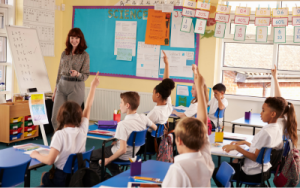
When your child first starts school, it’s a big change in your family life, especially if it is your oldest or youngest child. You may feel sad and be worried that your child will be unhappy, will not make friends, or will not enjoy schoolwork. You may be trying to support your child to make it all feel exciting while, on the inside, you are feeling just as nervous. Starting or changing schools can be one of the biggest transitions in a child’s life, but it’s worth remembering that most children love school and go on to make the most of their education. We have compiled some tips on starting school that you may find helpful.
Key points
- Help your child to develop the skills they need to be independent, such as getting used to playing with other children, dressing themselves and looking after their possessions
- Talk positively to your child about starting school, as well as listening to and acknowledging any anxious feelings or fears they may have
- Try to go to as many of the meetings before and after your child starts at the school, as you can. If you can’t attend, give the school a call and ask for the information to be sent to you
Practical tips to help support the transition
- Help your child to develop the skills they need to be independent, such as getting used to playing with other children, dressing themselves and looking after their possessions
- Get storybooks from the library about starting school and read them to your child. In the week before they start school, get your child used to the times they will need to get up in the mornings and go to bed
- Decide early who is taking your child to school on their first day so they can know as soon as possible what will happen on the morning
- Share your memories of your first day or funny and light stories about your time at school so they start to get a light-hearted sense of what to expect
- Plan a treat for the end of the school day; it’s likely they will be tired so a simple trip to the local park or their favourite dinner would be more than enough
Tips for emotional support
- Talk positively to your child about starting school, as well as listening to and acknowledging any anxious feelings or fears they may have
- Help your child to build their confidence. For example, make sure they know that it is ok to ask to go to the toilet at school
- If you are feeling worried, make sure you have someone to talk to so that your children don’t pick up on any negative feelings – and remind yourself that it is perfectly normal to have a bit of the jitters yourself
- Encourage them to be thoughtful about other children’s feelings and remember to take turns and share
- If you sense your child will feel clingy and not want to leave you in fear they will miss out, let them know what you have planned for the day – the duller the better
Changing schools
Whether a child is making the transition from primary to secondary school or starting a new school because the family has moved to a different area, she or he is likely to need extra support from parents and other family members at first. How a child copes with change can very much depend on the kind of support she or he receives.
Parents and other family members, or friends, play a key part in helping the child to be organised and in giving reassurance if it is needed. It’s normal for children feel a mixture of excitement and anxiety before starting a new school, and most will settle down quite happily. However, allow time for this to happen and be prepared for a few ‘teething troubles’. Some things that can help include:
- Involving your child in the decision over which school she or he attends
- Visiting the school with your child to meet teachers beforehand even if you already have children at the school. Many secondary schools arrange ‘taster days’ for new pupils
- Finding out which teacher to contact, when and how, in case you have any questions or problems
- Giving advance notice of any needs of the child so that teachers can be ready with any support that is needed
- Looking through the school prospectus together, to check rules and regulations, and what is required in the way of school uniform
It is also important that you as a parent remain calm and cheerful. If you are feeling anxious, your child’s anxiety may be increased too. It is natural to feel nervous, but it is important to keep things in perspective, especially if the anxiety is triggered by your own unhappy memories of school. Schools do much more nowadays to help children feel welcome. Try to acknowledge any feelings of nervousness your child may have. Try saying, ‘it’s only natural to feel nervous’ rather than ‘don’t be silly, there’s nothing to worry about’. Talk with your child beforehand and discuss any worries they may have. You could also think about whom to ask for information or advice if needed, e.g. ‘what happens if I get lost?’.
Working with the school to support the transition
- Find out from the school how reception children are introduced to the school and what happens on the first day. Talk this through with your child so that they know what to expect
- Tell the school about your child, e.g. any special needs, medical problems, likes or dislikes
- Make a point of finding out more about the school – look around your child’s classroom so that you know what they are doing and can talk to them about it
- Try to ensure you start off on the right foot with the school. Be friendly and open in your phone calls or meetings. If you feel annoyed by anything try to keep a calm head as you will be seeing a lot of them over the years your child is at primary school
- Try to go to as many of the meetings before and after your child starts at the school, as you can. If you can’t attend, give the school a call and ask for the information to be sent to you
Further Resources
If you would like further support and advice, call our helpline on 0808 800 2222 or email us at askus@familylives.dominocodes.dev. You can talk to us online via our live chat service or message us via WhatsApp on 07441 444125 to connect with experienced professional family support workers and highly-trained volunteers. You may find it helps to find out how other parents and carers have coped with this on our online forums. We also have a range of free self-guided online parenting courses that can help through the ages and stages of parenting.
Our online parenting information is written by experienced parenting professionals. Find out more about our content authors, how it is produced, reviewed and edited.
Share this page
Was this page helpful