
Chat
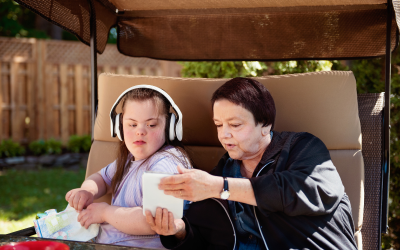
Disabled children usually grow up and go through puberty like any other young person. However, puberty may be early for some and delayed for others and there are some very rare medical conditions which mean that medication might be needed to bring on puberty and its associated changes. As much as possible, disabled young people need to be prepared for the changes to their body before they take place. As puberty approaches you may need to prepare yourselves and your child by encouraging them to be as independent as possible.
On this page
What they may need to know
Disabled children, like every other child, need to learn about:
- How their body works and grows.
- What changes to expect at puberty.
- The name and function of the sex organs.
- Relationships and responsibility.
- How society expects them to behave in public.
- Keeping safe from exploitation and abuse.
- How to prevent unplanned pregnancy and sexually transmitted infections.
Despite a willingness to talk about sex and relationships, many parents are unsure how to go about it. They worry and think they may not know enough and lack the confidence to talk and listen confidently without embarrassment.
Supporting your child
Children are more likely to want to talk to you about puberty if they are used to talking openly to you, not just about their condition in general, but other things like money, school work, friends, and so on. Encourage your children to talk to you about anything that worries them; showing an interest in what your child does and says will boost their self esteem.
- Start talking to your child early so that problems are less likely to arise – certainly before puberty.
- Talk openly and casually – while you’re doing something else, such as washing up or driving the car – as this gives the message that it is not something secretive or to be afraid of.
- Be open about your own beliefs and attitudes, but be prepared to discuss them and listen to your child’s point of view.
- Read books and leaflets, watch videos and take advantage of situations that might arise (for example on television) that might help trigger a conversation.
Personal care
- Knock before entering a bedroom or bathroom and tell your child that you will always do this now that they are older
- Ask permission on each occasion before providing intimate care – e.g. Is it OK if I help you take off your pyjamas now?
- Discuss personal care plans and reassess whether personal care is still necessary and whether aids and equipment could enable the young person to manage alone
- There are a number of very good resources to help parents explain to a young person with learning disabilities the changes that boy and girls go through at puberty
- Be open about the changes that arise for your child. For girls, these issues include periods, and for boys they include wet dreams
- Your child might start to enjoy exploring their body through masturbation. Try to give them the privacy to do this
Author
This content has been written for Family Lives by Contact, a charity that supports families with disabled children. They have produced a guide to support parents of disabled children with information about puberty and much more.
Further Resources
If you would like further support and advice, you can contact our free confidential helpline on 0808 800 2222 (Monday to Friday, 9am–9pm; Saturday and Sunday, 10am–3pm).
You can also use our online chat to talk to a trained family support worker, or visit our forums to chat with other parents and carers.
Share this page
Was this page helpful